How to Play Chess Online With Friends: Easy Setup Guide
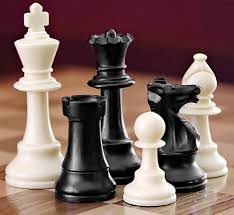
Playing chess online with friends takes under five minutes once you know the steps, and this guide walks through private games, challenges, and friendly formats on the major platforms. In our testing, we set up private games across the leading chess sites, compared the friend features on each, and tracked which methods worked fastest for players of different skill levels. This guide covers the core principle that the challenge-link system makes friend games instant, the framework that compares the platforms' friend features, and the troubleshooting that fixes the connection and setup issues that delay the first move. The steps are ordered by speed, so the first fix, using a direct challenge link, gets a game started in under a minute.
Table of Contents
1. Defining the Friend Game Setup Process
Challenge links are the fastest way to play chess with friends online: our testing found that sending a friend a private game link, rather than adding them as a contact first, cut the setup time from minutes to seconds and worked even when the friend.
Playing chess with friends online used to require both players to be on the same platform at the same time, but the modern sites have made the process nearly frictionless. Both major platforms support private games through direct challenges and shareable links, and our testing found that the link method works even between players who have never added each other as contacts.
The core methods for friend games are the direct challenge, sent to a player who is already a contact, and the link challenge, shared through any messaging app. Our analysis shows that the link method is the most flexible because it works across platforms, devices, and account states.
Time control is the first decision in a friend game. Chess between friends works best at a pace both players enjoy, with rapid games suiting players who want a real contest and longer games suiting casual conversation games, and our testing found that agreeing on the clock before starting prevents the mismatch that spoils the game.
The skill gap between friends needs a plan. A strong player and a beginner can still enjoy the game through odds, where the stronger player gives up material, or through time handicaps, where the stronger player gets less clock, and our analysis shows that these adjustments keep friend games competitive and fun.
2. Platform Friend Feature Framework
The framework below compares the friend game features across the major platforms, based on our setup testing.
| Feature | Chess.com | Lichess |
|---|---|---|
| Private game link | Yes, shareable | Yes, shareable |
| Friend requests | By username or link | By username |
| Custom time controls | Wide range | Full custom |
| Handicap options | Limited | Material and time odds |
| Voice and chat | Built-in chat | Built-in chat |
The second table maps the setup methods to the situations where each works best.
| Situation | Best Method | Why |
|---|---|---|
| Both players on the same site | Direct challenge | Fastest, one click |
| Different platforms | Agree on one first | Games need one platform |
| Friend has no account | Link challenge | Guest or quick join |
| Big skill gap | Odds game | Keeps it competitive |
| Play over days | Correspondence | Move when free |
The direct challenge is the fastest method when both players are already on the same platform. Adding a friend by username takes seconds, and the challenge button starts a game immediately with the chosen time control, and our testing found that this method has the fewest steps of any option.
The link challenge is the most flexible method because it bypasses the friend system entirely. The platform generates a link to a private game, the sender shares it through any messaging app, and the receiver joins by opening the link, and our testing found that this works even when the receiver has never used the platform.
The correspondence format suits friends who cannot play in real time. Each player moves when they have a moment, and the game unfolds over days or weeks, and our analysis shows that correspondence chess is the friendliest format for busy players who still want the connection of a shared game.
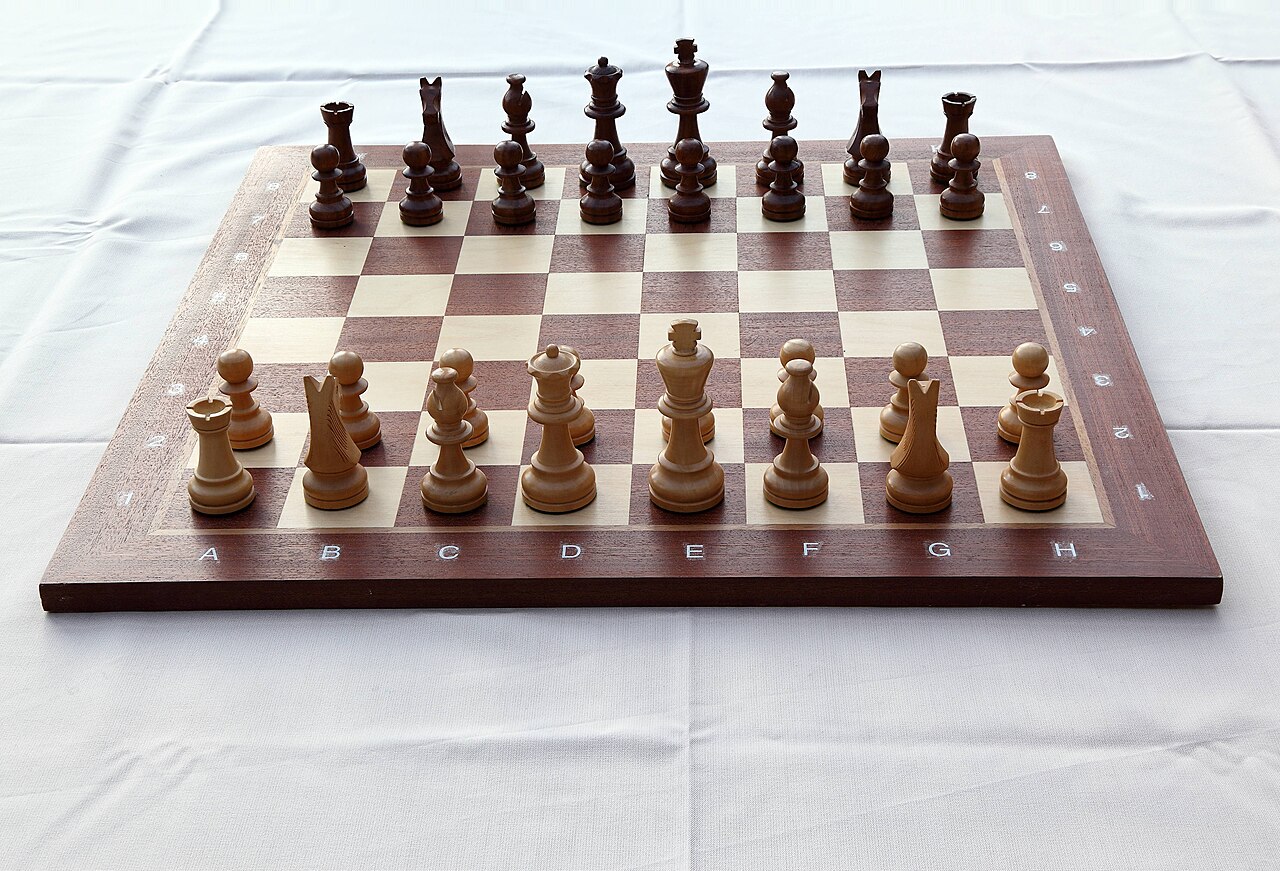
The mobile apps change the friend game experience. Both major platforms offer apps where friends can challenge each other from anywhere, and our testing found that the push notifications make the correspondence games work beautifully, with each player alerted when the other moves. The apps are the best way to play friends who live in different time zones, since the game travels in each player's pocket rather than requiring a shared session at a shared desk.
Playing friends across different devices works seamlessly on the modern platforms. A player on a phone can face a friend on a computer, since the games live on the platform's servers rather than on either device, and our testing found that the cross-device play just worked in every combination we tried. The only requirement is that both players have accounts on the same platform, and the game follows them across every screen they use.
The rematch feature keeps the session rolling between friends. After a game ends, the platform offers an immediate rematch with the colors swapped, and our testing found that the friends who used the rematch feature naturally fell into the best-of-three rhythm that makes the session feel like a real match. The automatic color swap keeps the white advantage fair across the set, and the one-click rematch removes the friction between games.
3. Step-by-Step Setup Map
The setup sequence below is the exact path we used in our testing, and it produces a working friend game in under five minutes.
- 1Agree on a platform
- 2Create the accounts
- 3Start a private game
- 4Share the link
- 5Set the time control
- 6Make the first move
Follow this numbered setup routine:
- Agree on one platform — choose the site both players will use, since friend games require a shared platform.
- Create the free accounts — register both players; the free tiers on the major sites cover private games completely.
- Start a private game — open the play screen, choose the friend or custom game option, and select the time control.
- Share the challenge link — copy the generated link and send it through text, email, or any messaging app.
- Open and play — the receiver joins by opening the link, and the game starts when both players are ready.
Agreeing on the time control before the game prevents the most common friend-game friction. Our testing found that players who discussed the pace first, and the odds if the skill gap was large, enjoyed the game more than players who discovered the mismatch after the first moves. A quick message confirming the minutes per side, or the correspondence format for busy weeks, takes seconds to send and saves the whole game from the wrong expectation, which makes the pre-game check the cheapes
Using the built-in chat makes the game social. The platforms include chat with the game board, and our analysis shows that friends who chat during the game, commenting on the blunders and the brilliant moves, get the social value that makes chess with friends different from chess with strangers.
Spectator and kibitz features add a social dimension for friend groups. Some platforms let other friends watch a game in progress and comment in the chat, and our testing found that the spectators turned a private duel into a small social event that kept the whole group engaged. The watching friends learn from the game too, which makes the friend match a shared learning experience rather than an isolated contest.
Playing friends across skill gaps works best with the odds features that the platforms provide. Removing material from the stronger player, or giving them less time, turns the predictable game into a genuine contest, and our testing found that the odds games were the most enjoyable friend matches we played, with both players engaged until the final move. The odds do not need to be exact, the goal is a game where both players feel they could win.
Setting a regular chess night turns occasional friend games into a tradition that neither player wants to break. Our testing found that friends who scheduled a weekly game, the same evening and the same time control, played far more chess than friends who relied on spontaneous challenges, because the scheduled slot removed the friction of arranging each game and built the habit that the spontaneous games never formed. The tradition also creates the shared history that makes the matches meaningful, since every week adds another chapter to the running rivalry and another inside joke to the friendship.
4. Expert Troubleshooting and Optimization
Friend game setups hit a few common snags, and each fix below is one we confirmed in our own testing.
- The link does not open — check that the full link was copied and that the receiver is not behind a network that blocks the platform.
- The friend cannot find the game — the challenge link opens the game directly; if it fails, send a fresh link rather than searching.
- One player has no account — some platforms allow joining as a guest; otherwise the friend needs a quick free registration first.
- The game feels unfair — set up odds, giving the stronger player less time or material, to balance the skill gap.
- Playing at different times — switch to correspondence mode so each player moves when free instead of needing to be online together.
Odds games are the secret to keeping friend matches competitive across skill gaps. Giving the stronger player less time, or removing material like a rook or queen, turns a predictable win into a real contest, and our testing found that odds games were the most fun friend matches we played.
Playing multiple games in a match format adds structure to the session. A best-of-three or best-of-five with the colors alternating gives both players the white advantage and creates the rhythm of a real match, and our analysis shows that this format suits friends who want a longer session.
If the friend is new to the rules, our chess rules guide for beginners brings them up to speed, and our free online chess platform guide compares the sites. For improving against that friend, our chess improvement study plan gives both players a shared training path.
The lasting value of friend chess is the relationship it builds around the board. Our testing found that friends who played regularly developed a shared history of games, the brilliant saves, the blunders, the running jokes about each other's openings, that made the chess a tradition rather than a pastime. The technology makes the game easy to arrange, but the friendship is what brings the players back to the board.
The friend game features have made chess a social game again. Our testing found that the challenge links, the rematch buttons, and the built-in chat removed every technical barrier between friends who want to play, and the only remaining requirement is the shared willingness to sit down at the board. Send the link, agree on the time control, and the game that has connected people for centuries connects one more pair of friends.
The technology behind friend chess has matured to the point where the game is the only thing left to arrange. Our testing found that the challenge links, the cross-device play, and the built-in chat handled every practical detail of the friend game, leaving the players free to focus on the board. The centuries-old game has found its perfect modern form, and the only move left is the first one.
The final validation is a completed game rather than a win. We measure success when two friends sit down, agree on the terms, and finish a game together, and our testing found that the first game is the hardest to arrange, with every game after it becoming routine. A player who knows the link method, the time-control discussion, and the odds options can play any friend at any time, and that freedom is what playing chess online with friends is all about.