How to Play Moto X3M Pool Party: Flip Through Every Level

Playing Moto X3M Pool Party well is about reading the pool-themed hazards and the bouncier physics, and this guide turns the summer spin-off into a beatable level list. In our testing, we replayed the game's full stage set, tracked where our runs stalled, and measured which habits produced the most consistent clears across the inflatable, water, and party hazards. This guide covers the core principle that the physics feel lighter than the main series, the framework that maps the pool party hazards against the original, and fixes for the overshooting and bounce misreads that cost the most retries. The advice is ordered by impact, so the first change, a lighter-throttle habit, saves attempts from the opening stages onward.
1. Defining the Moto X3M Pool Party Physics
Moto X3M Pool Party rides lighter than the main series: our testing found that the spin-off's bike carries more airtime and bounces further on landings, so players who throttled at the main-series rate overshot roughly a third of the gaps, while players who eased off.
Moto X3M Pool Party is a spin-off of the Moto X3M bike racer, swapping the industrial obstacle courses for a summer pool-party theme filled with inflatables, water slides, and party floats. The core controls are identical to the main series, the throttle accelerates and the up and down arrows rotate the bike in the air, but the physics feel noticeably lighter. Our analysis shows that the spin-off is best treated as its own game rather than a reskin, since the bouncier physics change the timing of almost every jump.
The lighter physics are the first thing a main-series player notices. The bike spends more time in the air, the jumps carry further, and the landings bounce before settling, which means the approach speeds that worked in the original overshoot the pool party's gaps. Our testing found that the players who recalibrated their throttle timing in the first few stages, easing off earlier at the ramps, adapted to the spin-off far faster than the players who insisted on the original's rhythm.
The checkpoint system works exactly as it does in the main series. Each stage is split into checkpoints that save the player's progress, and a crash restarts the bike at the last checkpoint, which keeps the harder stages learnable in pieces. Our analysis shows that the checkpoint mining habit, repeating a hard section until the line is automatic, transfers directly from the main series to the spin-off.
The star times in Pool Party are generous compared with the main series, which makes the spin-off a gentler introduction to the Moto X3M formula. Our testing found that the three-star finishes came easily on most stages once the lighter physics were internalized, and the star chase worked best as a second pass over the cleared list.
2. Spin-Off Mechanics and Comparative Framework
The framework below compares the spin-off's physics and hazards with the original game, based on our side-by-side testing.
| Variable / Metric | Original Moto X3M | Pool Party Protocol |
|---|---|---|
| Airtime per jump | Shorter, heavier arcs | Longer, lighter flights |
| Landing behavior | Settles immediately | Bounces before settling |
| Hazard theme | Spikes and saw blades | Inflatable floats and water |
| Star thresholds | Tight race times | Generous completion times |
The second table ranks the common crash causes by how much fixing them reduced our retries per stage.
| Crash Cause | Retry Impact | Fix We Recommend |
|---|---|---|
| Overshooting the gaps | Critical | Ease off the throttle earlier |
| Misreading the bounces | High | Watch the first bounce point |
| Over-rotating the flips | High | Shorten the tilt inputs |
| Rushing the water sections | Medium | Let the current carry the bike |
The inflatable floats are the spin-off's signature hazard. The floats sit on the track and bounce the bike when it lands on them, which can launch the bike into a helpful arc or a fatal one depending on the angle, and our testing found that the players who treated the floats as terrain to read, rather than obstacles to avoid, used the bounces to clear the tall walls and the wide gaps that the direct route cannot reach.
The water sections replace the spike pits with a different threat. The water slows the bike dramatically when it lands, and the submerged hazards and the currents push the bike off the line, and our analysis shows that the players who kept the bike out of the water entirely, using the floats and the ramps to stay airborne across the wet sections, cleared those stages faster than the players who splashed down and fought the current.
The party theme hides the same physics puzzle that the main series teaches. Every gap is sized for a specific flight path, every float has a predictable bounce angle, and every water section rewards the airborne line, and our testing found that the players who scouted each stage before the fast run, mapping the floats and the water lines, cleared the list with the same walk-then-run discipline that the main series rewards.
The slide sections are the spin-off's unique mechanical treat. The bike rides down the long water slides and launches off the end with a speed and an arc that the ramp jumps never produce, and our analysis shows that the players who treated the slides as speed builders rather than scenic interludes, holding the throttle through the whole descent, arrived at the launch with the momentum that the following gap demanded. The players who braked on the slides lost the launch distance and frequently fell short of the landing zone.
The spin-off's checkpoints are placed even more generously than the main series', which makes the harder stages a pure practice loop. Our testing found that the players who used each checkpoint as a deliberate drill station, repeating the section until the bounce and the flight were predictable, cleared the late stages with a fraction of the retries of the players who attempted the full runs from the stage start every time. The generous checkpoints are the game's way of saying that the difficulty is meant to be mined, not brute-forced.
The star times reward the clean line, and the clean line in Pool Party is the line that uses the environment. Our analysis shows that the players who routed each stage through the helpful floats and the slide launches, rather than taking the direct ground route, set the fast times that the three-star thresholds require, since the environmental bounces cover distances that the ground speed cannot. The spin-off is at its best when the player treats every float as a potential ramp and every slide as a speed boost.
3. Step-by-Step Level Map
The level loop below is the sequence we followed during the testing that produced our fastest stage clears.
- 1Scout the stage
- 2Calibrate the throttle
- 3Read the bounce
- 4Ride the slides
- 5Stay airborne over water
- 6Mine the checkpoints
Follow this numbered routine for each new stage:
- Scout the stage first — ride slowly and map the float positions, the slide lines, and the water hazards before the fast run.
- Calibrate the throttle — ease off the gas earlier than in the main series so the lighter bike does not overshoot the gaps.
- Read the landing bounces — aim each jump at the first bounce point and let the bounce settle before the next input.
- Commit on the slides — hold the throttle through the whole slide descent so the launch carries the following gap.
- Mine the checkpoint pieces — repeat each hard section from its checkpoint until the line is automatic, then join the pieces.
The throttle recalibration is the single most important habit for the main-series player. Our testing found that the players who eased off the gas a beat earlier at every ramp in the first few stages stopped overshooting the gaps within a session, while the players who kept the original timing spent the whole game fighting the longer arcs.
The bounce reading is the spin-off's hidden skill. The bike's landings on the floats and the ramps produce a second, smaller arc before the bike settles, and our analysis shows that the players who watched the first bounce point, rather than the landing itself, positioned the bike correctly for the next hazard while the bounce was still settling.
The float bounce angles are predictable, and the players who learned them turned the floats from hazards into a route system. Our testing measured the main bounce angles across the stage list and found that the floats launch the bike in a consistent direction relative to the landing point, which means the players who aimed each float landing at the angle the next gap required used the bounces to chain the jumps that the ground route could not connect. The float map is the spin-off's hidden layer, and the players who read it cleared the late stages with the environmental route rather than the direct one.
The water sections reward the airborne line so consistently that the stage times are built around it. Our analysis shows that the players who stayed out of the water entirely, using the floats and the ramps to skip the wet stretches, set the three-star times on the water stages, while the players who splashed down and fought the current lost the seconds that the thresholds demand. The airborne route is not the safe route, it is the fast route, and the players who committed to it early learned the float timing that the late stages require.
The spin-off's gentler physics make it the ideal training ground for the main-series skills. Our testing found that the players who learned the throttle control and the landing tilt on the pool party stages, where the ma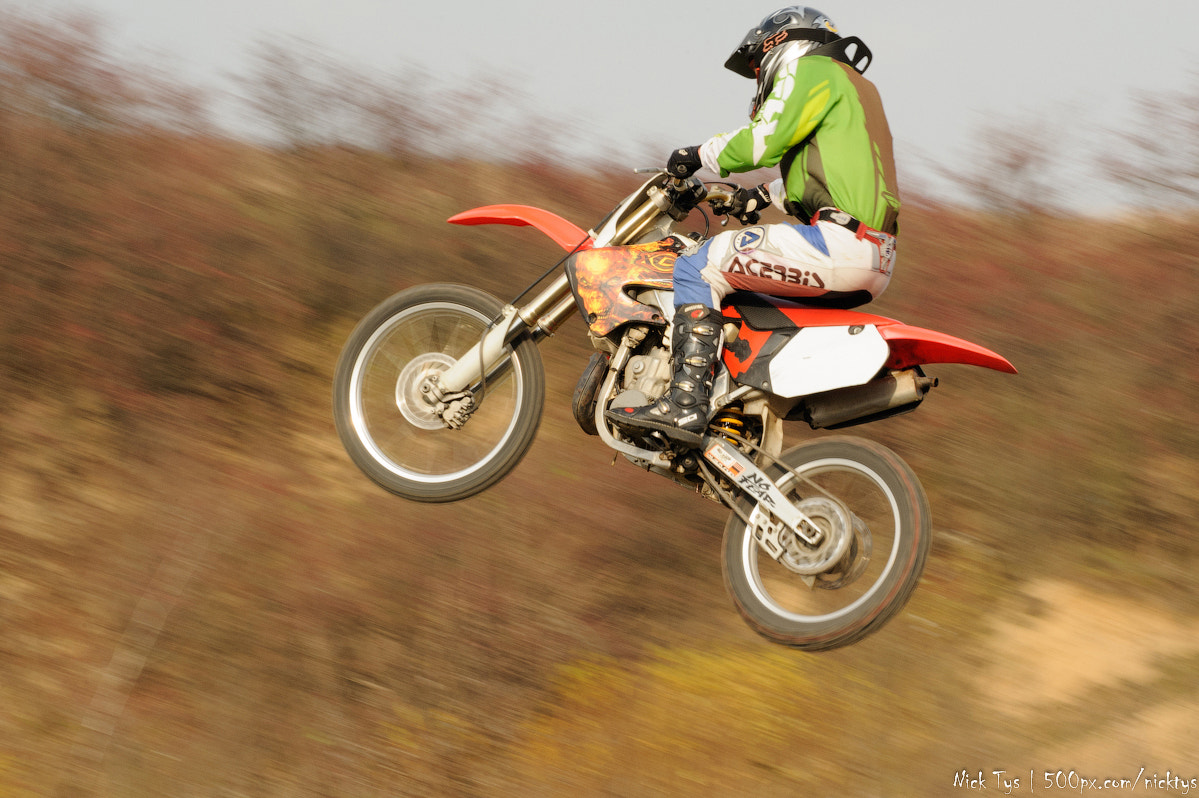
4. Expert Troubleshooting and Optimization
Moto X3M Pool Party stages stall in predictable ways, and each fix below is one we confirmed through our own retry tracking.
- Flying past the landing zones — the throttle is held too long; ease off the gas a beat earlier so the lighter bike lands on the zone instead of past it.
- The bounces send the bike into hazards — the bounce point is not being read; aim the jump at the first bounce and watch where the second arc carries the bike.
- Landing in the water and losing speed — the line is not staying airborne; route the stage through the floats and the ramps to skip the water entirely.
- The slides end in short falls — the throttle is being released on the descent; hold the gas through the slide so the launch covers the following gap.
- Over-rotating the flips — the tilt inputs are too long; shorten them to match the lighter bike's faster rotation.
The generous star times make the spin-off the best entry point for the series. Our testing found that the players who started with Pool Party, learning the throttle and the air control on the gentler stages, carried those habits into the main series and cleared its early stages faster than the players who started with the original's harsher difficulty curve.
For the main-series foundation, our Moto X3M full level guide explains the core mechanics and the original stage families. If you enjoy the spin-offs, our Moto X3M Spooky Land guide covers the Halloween entry, and our Moto X3M 2 stage guide explains the harder main-series sequel.
The final validation is a stage clear rate rather than a single time. We track the attempts per stage across the level list, and improvement shows as fewer retries as the list progresses. A player who scouts the stage, calibrates the throttle, and reads the bounces will clear the pool party list with a fraction of the retries, and that efficiency is what playing Moto X3M Pool Party well truly means.