How to Play Chess Online: A Complete Beginner's First Week
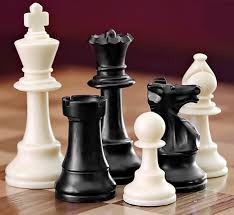
Chess has this reputation as a game for geniuses, which is nonsense. The rules take about twenty minutes to learn, and the reason it feels hard is that everyone else has been playing longer than you. That's it. If you can learn the moves, you can learn to win. I went from zero to a respectable online rating in about a month, and I'm not especially smart. Here's the path I'd give anyone starting today.
Learn the moves in one sitting, not one week
Don't stretch this out. Sit down for an hour and learn how every piece moves. Pawns go forward one square, two on the first move, and capture diagonally. Knights move in an L shape and are the only piece that can jump. Bishops stay on their color. Rooks go straight. The queen does everything. The king moves one square but is the whole point of the game.
Then learn the two special moves: castling and en passant. Castling is the only move where two pieces move at once, and it tucks your king to safety. En passant is the pawn capture that confuses everyone for the first month. Don't stress about it. You'll use it rarely, but you need to know it exists so you don't get surprised.
Your first games will be ugly. That's the point.
Play a few games against the computer or a friend and just make moves. You'll blunder pieces, you'll hang your queen, you'll lose in twelve moves. This is normal and it's how you learn. The goal of your first week isn't to win. It's to stop making moves that lose pieces for free.
Here's the one rule that will improve you faster than anything else: before every move, ask yourself what your opponent's last move attacked. If they just moved a piece toward your queen, deal with it before you do anything clever.
Control the center, develop your pieces
There are two opening principles that beat every fancy trap you'll read about. First, fight for the center of the board. The four squares in the middle are the most valuable real estate, because pieces there control the most squares. Second, get your knights and bishops out early. Don't move the same piece twice, don't bring your queen out too early, and castle once your king has a safe spot.
If you follow those two rules in the first ten moves, you'll already be playing better than half the people on the site.
Where to play online
There are a few big sites, and they're all free. Chess.com and Lichess are the two you'll hear about most. Lichess is completely free with no ads and no paywall, which makes it a great place to start. Chess.com has more lessons and a bigger community, but some features are behind a subscription. Try both and pick the one you like. The important thing is that you're playing real games against real people.
Start with the ten-minute time control. Blitz games are too fast when you're new, and you'll just be moving on instinct. Ten minutes gives you time to actually think, which is how you learn.
Learn to checkmate, not to memorize
You don't need to memorize openings. You need to know how to finish a game. Learn the basic checkmates: king and queen against king, and king and rook against king. These come up all the time, and knowing them means you'll actually convert winning positions instead of stalemating or running out of time.
Review every loss
This is the habit that separates people who improve from people who plateau. After every game, look at where you lost your advantage. Most sites will show you the moment the game turned. Find that move, understand why it was bad, and don't make it again. You don't need to review every game, but review the ones you lost.
Chess rewards patience and repetition. Learn the moves, play slow games, protect your pieces, and review your losses. Do that for a week and you'll be beating people who've been playing for years.