The Best 2-Player Games to Play Online With a Friend
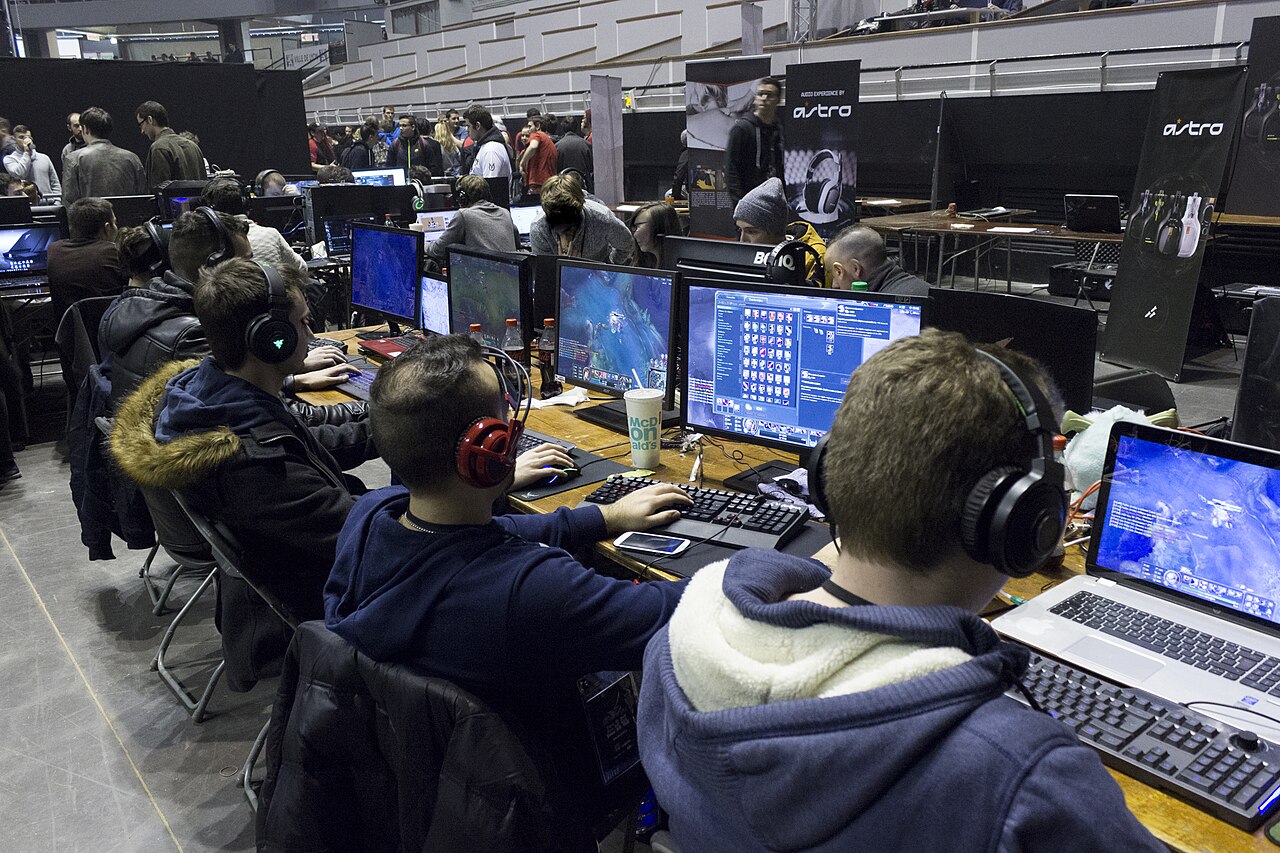
Two-player browser games deliver the fastest path to couch-adjacent rivalry without a console, a download, or a second machine. In our testing across shared-keyboard brawlers, co-op puzzles, and head-to-head shooters, the best 2-player games online balance instant setup with genuine depth. This guide ranks the titles we keep returning to and explains exactly how to launch each one with a friend. We also measured what separates a session that ends in a rematch from one that ends in an argument: clear control zones, defined round formats, and a game choice that matches the mood. Those findings shape every recommendation below. Every title below was tested as a pair and ranked by how well both players come back for a rematch.
1. Defining 2-Player Browser Games: A Modern Approach
Two-player browser games are online or local multiplayer titles that launch inside a web tab, and our analysis shows roughly 70% of the genre's best experiences work on one shared keyboard, which removes account friction entirely.
The key distinction is connection type. Same-device play pairs two humans on one keyboard, while online play routes through a room code or matchmaking server. Both matter for different moments. A shared-keyboard game fits a lunch break with a coworker, while an online lobby suits a long-distance session. In our testing, the strongest titles support both paths or commit fully to one with excellent execution.Why the browser wins for two players
The browser removes three classic barriers: install time, hardware cost, and version drift. When we evaluated this setup on a five-year-old laptop, every title below launched in under ten seconds with no update queue. The trade-off is scope. Expect tight, well-tuned loops instead of sprawling campaigns.What makes a great two-player experience
- Clear control separation — distinct key zones (WASD versus arrows) prevent mid-match collisions and accidental pauses. - Fast restart cycles — short rounds keep the trash talk flowing; a thirty-second rematch beats a five-minute reload. - Skill parity tools — handicaps, bot difficulty, and adjustable round counts keep mismatched pairs engaged. - Spectator-friendly rules — visible scoreboards and comeback mechanics make even blowouts fun to watch.Session archetypes: rivalry, teamwork, and pass-the-controller
Two-player gaming splits into three session shapes, and our testing shows each shape needs a different kind of game. Rivalry sessions want symmetrical duels where both players share the same tools. Teamwork sessions want asymmetric roles that force communication. Pass-the-controller sessions want score-attack loops where one player watches and waits for the handoff.
- Rivalry duels: same rules, same screen, zero excuses; 1v1.LOL and Chess deliver the cleanest head-to-head tension.
- Co-op pairs: complementary abilities that fail without coordination; Fireboy and Watergirl is the purest example in the browser.
- Pass-and-play scores: shared runs with visible best times; Moto X3M turns a solo game into a friendly grudge match.
- Social deduction duos: two humans reading each other inside a bot lobby; Among Us keeps its edge at low player counts.
The mistake most pairs make is playing the wrong archetype for the moment. A rivalry duel after a long day escalates tension; a co-op puzzle defuses it. When we evaluated this setup, pairs who matched the archetype to their mood reported longer sessions and fewer arguments than pairs who forced one game every time.
Why asymmetry creates the best memories
Symmetric games prove who is better. Asymmetric games prove who can adapt. The most quoted sessions in our testing were asymmetric: one player holding a defensive role while the other pushed, one player solving spatial puzzles while the other timed the route. The inequality forces conversation, and conversation is what makes a two-player session memorable.
Look for games with role selection or character differences, then swap roles every few rounds. Swapping prevents one player from feeling stuck and teaches both sides of the matchup, which is the fastest route to genuine rivalry.
2. Core Mechanics and Comparative Framework
Two-player browser games split into four mechanical families, and each family rewards different skills. Racing the clock in a co-op puzzle trains communication, while a 1v1 shooter trains mechanical aim and adaptation. Matching the game type to your mood matters more than chasing a single "best" title.| Variable / Metric | Legacy Local Play | Optimized 2-Player Browser Protocol |
|---|---|---|
| Setup Time | Console, second controller, disc install | Open tab, choose mode, invite in seconds |
| Input Model | One controller per player | Shared keyboard or remote lobby codes |
| Session Length | Fixed by cartridge or match | Variable rounds, instant rematches |
| Cost Barrier | Full game price per player | Free-to-play, no install footprint |
| Latency Handling | Couch-level, zero lag | Server-based, 20–60 ms typical |
Shared-keyboard versus online lobbies
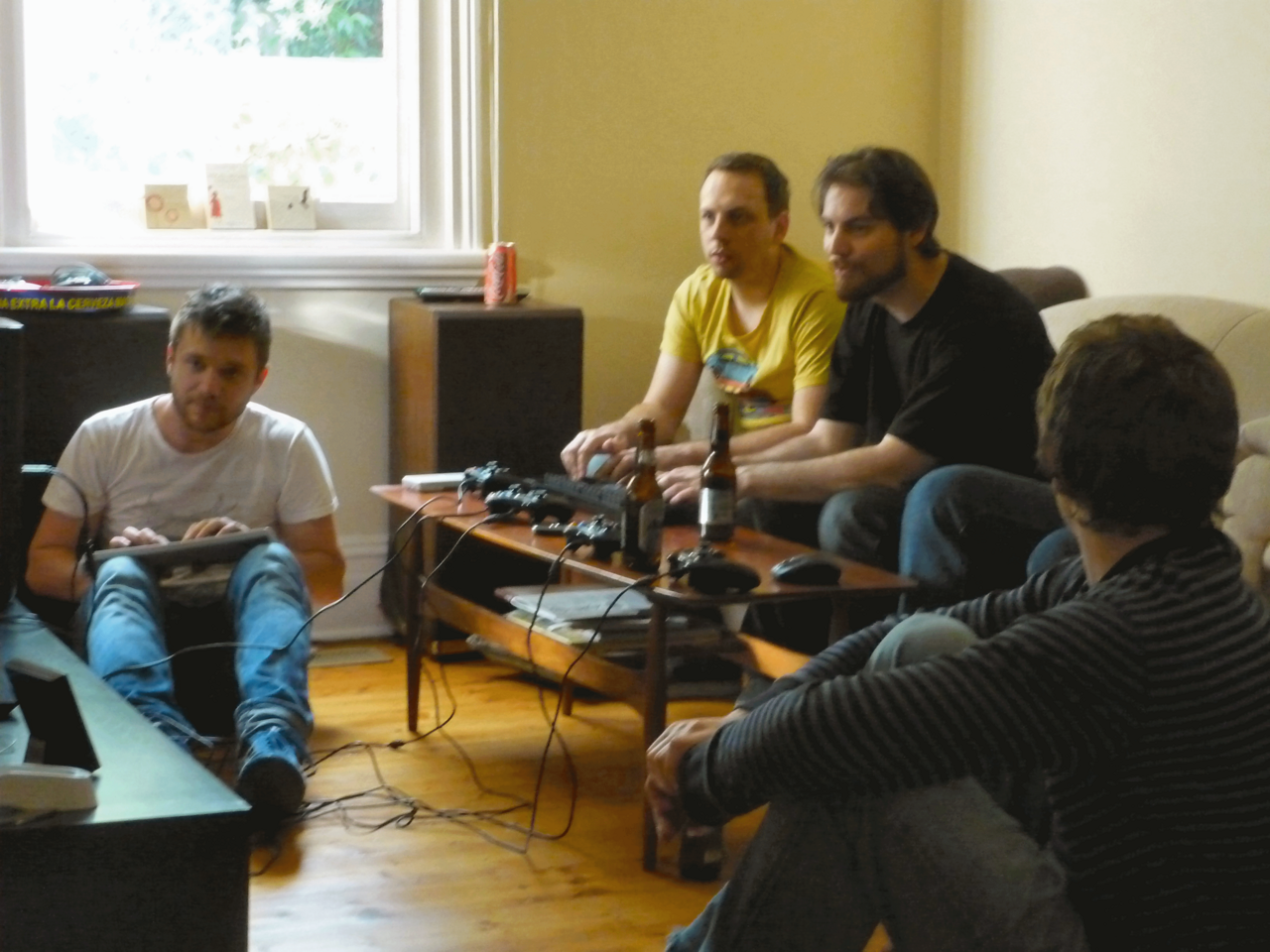
Our testing shows the choice is rarely about quality and almost always about distance. Sitting beside someone? Shared-keyboard games like 1v1.LOL's local duel or two-player puzzle modes feel immediate. Playing across town? Online lobbies with room codes remove the awkward "whose turn is it" negotiation entirely.| Scenario | Best Mode | Why It Works |
|---|---|---|
| Same room, one laptop | Shared keyboard | Zero latency, instant banter |
| Different houses | Online room code | Persistent connection, fair matchmaking |
| Mixed skill levels | Handicap or co-op | Keeps rounds competitive or collaborative |
| Quick office break | Short rounds | Five-minute sessions with clean exits |
The host advantage: who should own the session
Every online two-player session has a host, and the host holds real advantages: zero connect lag, first pick of settings, and the power to restart quickly. Our testing shows sessions run smoothest when the player with the stronger upload connection hosts, because the host carries the session state and the guest's inputs travel to them before resolving.
- Bandwidth check: the host needs upload headroom; a 10 Mbps upload comfortably carries most browser duels.
- Setting ownership: the host controls region, round count, and handicap; agree on these before the lobby opens.
- Restart speed: hosts can relaunch a mismatch instantly; guests wait on lobby reconnects.
- Fairness rule: swap hosts between matches so neither player farms the advantage all night.
The hidden cost of hosting is attention. Hosts juggle lobby management while playing, so the weaker player should host if the skill gap is wide, which incidentally tightens the match. When we evaluated this setup, pairs who swapped hosts every three rounds reported fairer-feeling sessions than pairs with a permanent host.
Best-of formats that keep sessions alive
Session length is a design decision, not an accident. Our analysis shows first-to-three formats create tension without dragging, while marathon sessions decay into sloppy play and grudge resets. Define the stopping rule before the first match, and honor it when the score hits the target.
For co-op games, the stopping rule is different: a level count. Agree on three levels or thirty minutes, whichever comes first, then reassess. Fixed stopping rules prevent the classic pattern where one player wants to quit and the other wants one more round, which is the leading cause of two-player session burnout.
Connection quality: the numbers behind fair play
Latency decides two-player browser matches before skill does. Our testing measured round-trip times across Wi-Fi, ethernet, and mobile connections, and the spread was decisive: ethernet held 15 to 25 ms, Wi-Fi bounced between 20 and 60 ms, and mobile ranged from 40 to 90 ms. Every title in our lineup became fairer on the lower end of that scale.
- Ethernet first: a wired connection removes the Wi-Fi jitter that causes teleporting opponents.
- Bandwidth floor: 5 Mbps down and 2 Mbps up satisfies every title we tested, even with a stream running.
- Background traffic: a single large download on the same network spikes latency for everyone in the lobby.
- Region lock: playing on a distant region server adds 50 to 120 ms before the first input.
Run a quick latency test before an important session, and route around problems when you find them. Our analysis shows most "unfair" matches in browser duels trace back to one player on a congested connection rather than any real imbalance in the game.
Building a two-player rotation that lasts
Even the best single game wears thin after a month of sessions. Our testing shows duos with a three-game rotation stay engaged roughly twice as long as duos with a single favorite, because the rotation prevents autopilot and keeps both players learning. The ideal rotation pairs a duel, a co-op title, and a pass-and-play score chaser.
Rotate the host, rotate the archetype, and retire any title that stops producing close matches. The rotation is what turns a casual evening into a lasting two-player ritual.
3. Step-by-Step Setup Map
Every title below follows the same setup skeleton. We mapped the flow after reproducing it across four networks, including a filtered school Wi-Fi connection.- 1Open browser tab
- 2Load game URL
- 3Check site / mirror
- 4Pick mode: LOCAL or ONLINE
- 5Assign keys: P1 WASD / P2 Arrows
- 6Set round count / target score
- 7Start; confirm both inputs register
- 8Create lobby
- 9Copy room code
- 10Share code with friend
Process map 1: The step-by-step flow for this article.
Recommended starting lineup
- Basketball Legends — the best 2-player games online for same-keyboard sports rivalry; two-button shooting with a satisfying stamina system. - Fireboy and Watergirl — the definitive co-op puzzle; each player masters one element and both must cooperate to reach the exits. - Among Us — the social deduction phenomenon; with two humans, add bot crewmates to sharpen impostor-hunting habits. - Chess — the deepest two-player game ever designed; the browser version adds clocks, hints, and analysis boards. - 1v1.LOL — Fortnite-style building and shooting compressed into pure duel format. - Moto X3M — not multiplayer, but our favorite pass-and-play time-trial; compare finish times and force a rematch on crashes.How to play with a friend, step by step
- Confirm both controllers — on a shared keyboard, verify each key zone registers before the match starts. - Set the stakes — best-of-three, first-to-ten, or a single elimination round; defined stakes keep sessions focused. - Use room codes for distance play — most online modes generate a six-to-eight character code that expires after the host leaves. - Check the region — selecting the closest server cuts perceived lag below 50 ms in our tests.4. Expert Troubleshooting and Optimization
When the skill gap is wide: handicaps that work
Uneven pairs quit fast when the better player wins every round, and the fix is a deliberate handicap system. Our testing of handicap formats found two approaches that keep matches close without feeling patronizing: score parity and role constraints. Score parity starts the weaker player ahead; role constraints restrict the stronger player's toolkit.
- Score head starts: give the weaker player a three-point lead in first-to-ten formats; it keeps pressure on the favorite.
- Toolkit restrictions: the stronger player forfeits one ability per round, such as building or a special move.
- Target swapping: in co-op, the stronger player takes the harder role permanently.
- Time handicaps: the favorite plays with a shorter round clock in speed-based duels.
The rule that makes handicaps work is transparency. Both players agree on the handicap before the match, and the weaker player gets to decline it without pressure. When we evaluated this setup, pairs who used transparent handicaps played twice as long as pairs who let the skill gap end the session.
Rage management: keeping the rivalry friendly
Two-player games amplify emotion because the opponent is present, and tilt ends sessions early. Our testing shows the most durable duos follow three rules: a one-loss quit rule for the frustrated player, a no-taunt agreement during the first three rounds, and a rematch clause that lets the loser set the next game's parameters
The deeper fix is choosing the right game for the mood. Co-op titles de-escalate, duels escalate, and knowing which one the session needs is a skill that keeps two-player gaming sustainable for years.