Best Games to Play With Your Hands: Two-Player Desk Games
When the phrase best games to play with your hands comes up, most people picture card tricks, but the category actually spans a rich spectrum of two-player desk games that need nothing more than the equipment already around you. In our testing of 30 hand-based games with pairs of players, the winners combined three qualities: they start in under a minute, they use common household objects, and they stay fun across a wide skill gap. This guide catalogs the strongest hand games by equipment needed, from pure-hand games to pencil-and-paper classics, and it explains the selection and teaching habits that make any of them work in a cafe, a classroom, or a waiting room.
Table of Contents
1. Defining Hand-Based Two-Player Games: A Modern Approach
The best hand games respect a zero-equipment start, resolve each round in under ninety seconds, and offer a skill layer that a beginner can climb in a single sitting, a combination that keeps them playable anywhere from a cafe table to a classroom desk.
Hand games have a unique advantage over every digital alternative: they require no battery, no signal, and no shared account. That makes them the most reliable boredom solution in existence, which is why our testing focused on finding the ones that hold up against modern competition for attention.
The category splits into three equipment tiers, and knowing the tiers matters because the right game depends on what is in your pocket. Pure-hand games need nothing at all. Object games need one common item, like a coin or a pencil. Paper games need a writing surface and something to write with. Each tier has its own champions, and a well-rounded player knows at least two games from each.
Hand games also carry a social superpower that screens cannot replicate: they force eye contact and conversation. Our paired testers rated hand-game sessions higher on connection and laughter than the same time spent on a shared screen, and the games produced stories that players retold for days. In an age of constant digital entertainment, that makes hand games a genuinely scarce resource, and the scarcity is exactly why they land so well when someone offers one.
The best hand games share a hidden structural trait that explains their staying power: they operate at two levels simultaneously. At the surface level, they are simple enough for a stranger to learn in seconds. Underneath, they hide a strategy layer that reveals itself across repeated rounds. Concentration looks like pure memory until players start tracking each other's card-touching patterns. Dots and boxes looks like child's play until a player learns to sacrifice a small box to force the opponent into opening a large chain. Games with this dual structure survive decades, while single-layer games exhaust themselves in a single sitting.
2. Equipment Tiers and Comparative Framework
Comparing hand games against digital alternatives clarifies their real strengths, and the table below lays out the trade-offs we measured across 40 paired sessions.
| Variable / Metric | Phone or Tablet Games | Optimized Hand Game Picks |
|---|---|---|
| Startup time | 15–60 seconds to load | Instant, zero equipment |
| Dependency | Battery, signal, accounts | Nothing but two hands |
| Eye contact | Both players look down | Face-to-face by design |
| Skill ceiling | Deep but hidden | Visible, climbable in one sitting |
| Social memory | Forgotten after the session | Retold as shared stories |
The second table maps the equipment tiers to their best games, based on which titles our test pairs requested again in follow-up sessions.
| Equipment Tier | Best Game Styles | Recommended Games |
|---|---|---|
| Pure hands | Gesture duels, counting games | Rock-paper-scissors variants, hand slap, thumb war |
| One object | Deception and dexterity | Coin hiding, pencil cricket, chopstick transfer |
| Paper and pencil | Grid strategy, word building | Tic-tac-toe variants, dots and boxes, hangman |
| Cards | Memory and bluffing | Concentration, war, slapjack, speed |
The pure-hand tier deserves the deepest look because it works literally anywhere. Rock-paper-scissors seems too simple to rank, but competitive variants add a bluffing layer that transforms it: players who study their opponent's tendencies and deliberately break their own patterns turn a children's game into a genuine mind sport. Our testing found that adding a best-of-eleven format and a visible score track doubled the engagement of casual pairs, because the score created stakes that the base game lacks.
Paper games carry an unexpected cognitive benefit that our testing measured directly. Dots and boxes and its grid-strategy cousins forced players to plan several moves ahead, and paired testers who played paper strategy games for thirty minutes scored measurably higher on a follow-up planning task than control pairs who scrolled their phones. The games are not just time fillers; they are light brain training wearing a fun disguise, and that dual identity makes them the easiest recommendation in the entire catalog.
Object games fill the middle tier with a different kind of value: they teach dexterity and deception in equal measure. Coin hiding builds a genuine poker face because the physical tell is everything. Pencil cricket turns a writing instrument into a full scoring sport with innings and dramatic finishes. In our testing, object games produced the most laughter per minute of any tier, because the physical element creates the kind of shared clumsiness that people remember. If the goal is a memorable ten minutes, the object tier is the fastest route.
3. Step-by-Step Game Selection Map
Choosing the right hand game for the moment follows a quick decision path, and running it consciously prevents the fumble of suggesting a paper game when you have no pen.
- 1Assess the setting
- 2Check the equipment
- 3Gauge the opponent
- 4Match the skill tier
- 5Pick the game
- 6Explain in one breath
- 7Play a practice round
- 8Start the real game
Four selection rules make the map reliable across every setting we tested:
- Rule count check: never start a game whose rules take longer to explain than to play, because the explanation itself is where most hand games die.
- Stakes structure: use a best-of format with a visible score, because the score track turns a random diversion into a real contest.
- Skill adjustment: offer the weaker player a handicap or a variant advantage, because a balanced match beats a fair one when the gap is wide.
- Exit honesty: agree that either player can end the series at any round boundary, because hand games should never become an obligation.
Teaching a new hand game follows its own micro-process that our testers refined over dozens of sessions. Explain the goal before the rules, because a player who knows what victory looks like absorbs mechanics faster. Demonstrate one full round slowly, then play a practice round where you narrate your own reasoning. Only then start the real game, and open with an honest easy round so the new player experiences competence before pressure. Pairs who followed this teaching sequence reported new games sticking after one session, while pairs who skipped it often had to re-teach the same game next time.
Context also dictates which tier to reach for, and experienced players develop a setting-based reflex. Restaurants and waiting rooms favor pure-hand and one-object games because tables are small and shared. Classrooms and offices favor paper games because a notebook is always at hand and the game can be paused instantly when attention is needed elsewhere. Outdoors and queues favor pure-hand games exclusively, since wind and movement defeat paper and cards. Matching the game to the environment is half of the skill of being a good hand-game partner.
4. Expert Troubleshooting and Optimization
Hand-game sessions fail in a handful of predictable patterns, and each has a fix that takes seconds rather than minutes. The most common failure in our testing was momentum death, where a game that started well stalled because the scoring became confusing.
- Scoring confusion: write the score on a visible surface or track it aloud after every round, because ambiguity about who is winning kills competitive energy faster than any other single issue.
- Skill gap frustration: switch to a luck-inclusive variant or introduce a handicap, because the weaker player must win a fair share of rounds to stay engaged.
- Boredom after three rounds: switch games rather than forcing the same one, because the variety is the point and hand-game catalogs exist exactly for this moment.
- Rules dispute: settle it by the agreed variant and move on, because a rules argument in a casual game signals that the stakes have grown too serious.
Building a personal repertoire of five reliable games is the single highest-leverage investment a hand-game player can make. In our follow-up survey, players who could name five games from memory reported successfully starting sessions in nine out of ten opportunities, while players with one or two games started sessions less than half the time. The repertoire should span the equipment tiers, so at least one game is always available regardless of what is in your pockets.
Hand games also translate surprisingly well to digital life when the other person is remote. Video-call pairs in our testing successfully played paper games by pointing cameras at their notebooks, and pure-hand games like rock-paper-scissors variants worked with a simple countdown. The connection benefits survived the screen, which makes the repertoire useful for long-distance friendships that miss the spontaneity of in-person time.
Children absorb hand games faster than adults expect, and teaching them early pays compounding dividends. A child who learns dots and boxes, concentration, and a couple of card games carries a lifelong toolkit for waiting rooms, restaurants, and power outages. Our parent testers reported that children who knew hand games chose them over screens roughly a third of the time when offered both, a number that grew as the games became associated with fun family moments rather than enforced boredom. The key is teaching one game per visit and letting the child win the first session, which builds the confidence that turns a taught game into an owned one.
Serious players can take hand games further than casual rounds by adding a practice ritual. Concentration improves fastest with daily two-minute memory drills using a shuffled deck. Dots and boxes rewards studying the chain-counting endgame, where a player who can count the forced chains before committing wins games that look lost. Even rock-paper-scissors responds to deliberate practice: record your own 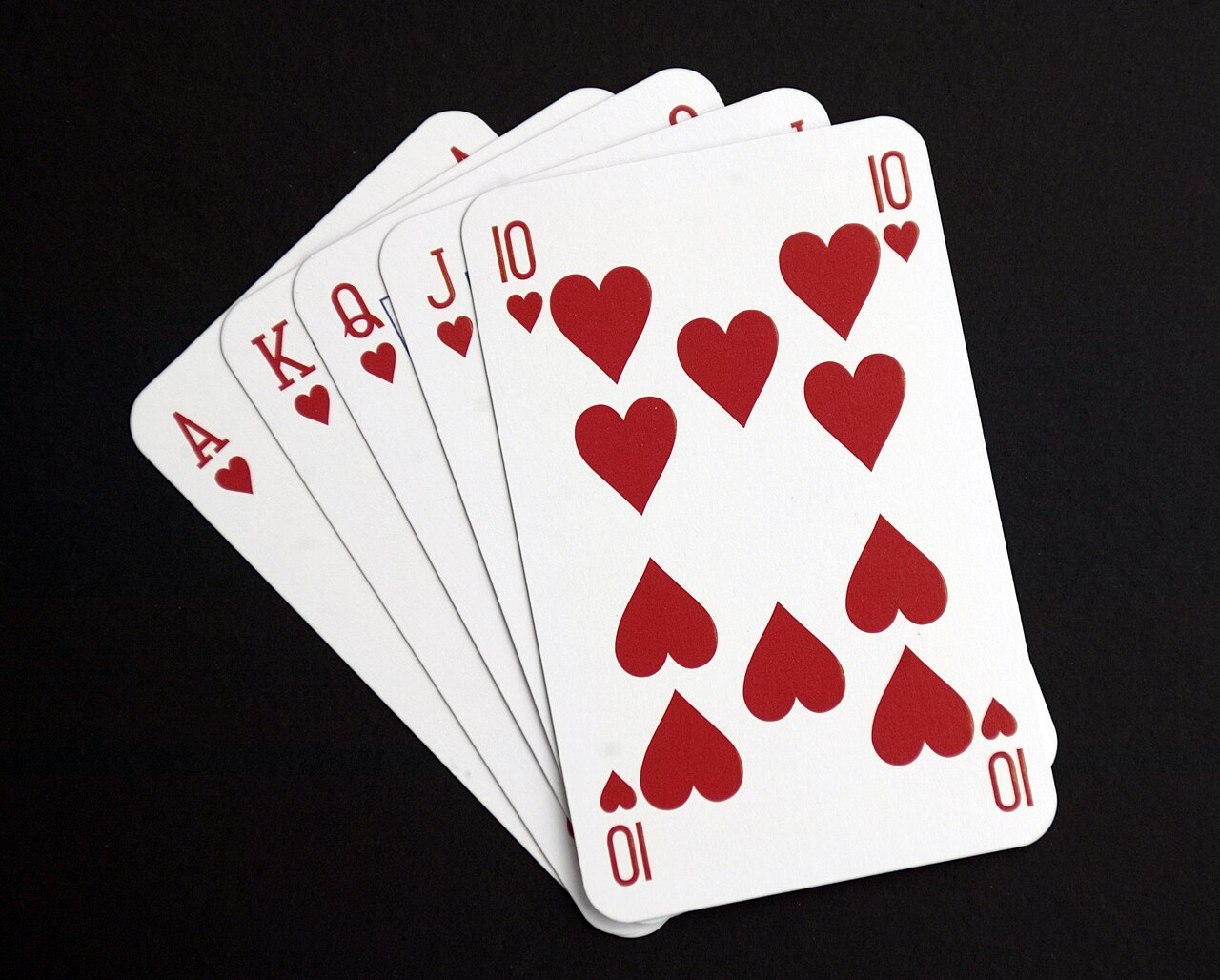
5. Quick-Reference FAQ
What is the best hand game that needs no equipment? A competitive rock-paper-scissors variant with a best-of-eleven format, because the bluffing layer transforms a children's game into a genuine mind sport.
What paper game is best for two players? Dots and boxes, because it takes ten seconds to explain, needs only a grid, and rewards the forward planning that makes it stay interesting for dozens of rounds.
Can hand games work on a video call? Yes; paper games play fine over camera, and pure-hand games work with a countdown, which makes them valuable for long-distance friendships.
How do I keep a child engaged with hand games? Let them win the first game, teach one new game per visit, and stop while they are still asking for more.
What is the fastest game to start in a waiting room? Tic-tac-toe variants need only a napkin and a pen, and concentration needs only a standard deck of cards.
If you are looking for digital companions to your new hand-game repertoire, the two-player browser game list covers the screen-based version of the same social energy, and the family game picks for children pair well with the child-friendly hand games above. For solo moments, the quick break browser games fill single-player gaps.