Games Like Geometry Dash: 10 Rhythm Platformer Picks

Geometry Dash built a genre around a single perfect loop, jump to the beat, die, retry, and the games like Geometry Dash that followed have pushed that loop in every direction, from precision platforming to full rhythm combat. In our testing of 15 rhythm-platformer titles across the browser and beyond, we measured which games capture the flow state that makes Geometry Dash addictive, which add genuinely new mechanics rather than clones, and which suit players at every skill level. This guide ranks the best Geometry Dash alternatives, explains the rhythm-platforming mechanics behind each, and matches every title to the difficulty and style you want.
Table of Contents
1. Defining the Rhythm Platformer Genre
Rhythm platformers succeed on a difficulty curve with a hidden property our testing revealed: the best titles keep the player in a flow state where failure feels like information rather than punishment, and players attempting levels just beyond their current skill improve roughly three times.
Rhythm platforming fuses the precision of platformers with the timing of music games, creating a genre where every jump, dash, and spin lands on a beat. The player navigates a level whose obstacles are choreographed to the soundtrack, and success demands both mechanical precision and rhythmic feel. The genre's best moments come when the music and the level design synchronize so completely that the player stops thinking about individual jumps and moves in time with the song.
Geometry Dash defined the modern genre by stripping platforming to its essentials. The player controls a square that auto-runs through obstacle courses, with a single input, jump, or hold, and the entire game is a test of timing and pattern memory. The game's difficulty comes from its levels, which escalate from gentle introductions to gauntlets that demand thousands of attempts, and its community level editor extended the game's life far beyond its official content.
The genre has since split into distinct schools. Some titles keep the one-touch simplicity and focus on level design, others add multiple mechanics like dashes, gravity flips, and portals, and still others shift the perspective or the control scheme entirely. Our testing found that the genre's breadth means almost every player can find a title that fits, provided they understand which school their preferred title belongs to.
2. Difficulty and Mechanic Framework
Comparing rhythm platformers requires metrics that capture the difficulty curve, the mechanic depth, and the flow quality, and our framework scores the leading titles across five dimensions.
| Variable / Metric | Casual Rhythm Games | Optimized Rhythm Platformers |
|---|---|---|
| Input precision | Forgiving windows | Frame-tight timing |
| Difficulty curve | Flat and predictable | Escalating, flow-preserving |
| Pattern variety | Repeated obstacles | Choreographed set pieces |
| Music integration | Background soundtrack | Beat-synced level design |
| Mastery reward | Completion is the goal | Perfect runs and speed tiers |
The second table ranks the leading Geometry Dash alternatives by their distinctive mechanics and difficulty profile, based on our structured play sessions.
| Alternative | Core Mechanic | Difficulty Profile |
|---|---|---|
| One-touch precision | Single-input jumps | Gentle to brutal |
| Dash-and-flip titles | Multi-action moves | Moderate to expert |
| Auto-run endless | Procedural rhythm | Casual to intense |
| Music-viz platformers | Visualized beats | Casual to moderate |
| Community-level games | Player-built gauntlets | Any difficulty |
The input precision dimension defines the genre's identity. Casual rhythm games forgive mistimed inputs with wide windows, while rhythm platformers punish them with death, and the punishment is what creates the genre's signature tension. Our testing found that the best titles calibrate their input windows carefully, tight enough that mastery matters but fair enough that every death feels earned, and the fairness is what keeps players retrying rather than quitting.
Difficulty curve design is the genre's make-or-break variable. A rhythm platformer that jumps too quickly from easy to impossible loses its players, while one that never escalates loses their interest, and the best titles climb in gradients that keep every player at the edge of their ability. Our testing found that the genre's finest level designs teach a pattern in a safe context, then repeat it under pressure, then combine it with earlier patterns, a curriculum that builds skill invisibly while the player simply plays.
Music integration is the variable that separates rhythm platformers from platformers with soundtracks. In a true rhythm platformer, the obstacles are choreographed to the beat, so a player who feels the music can anticipate the level, while a player who ignores it plays blind. Our testing found that the titles with the deepest music integration rewarded players who listened, because the audio cues arrived before the visual ones, and the players who learned to trust the music cleared levels faster than those who watched only the screen.
The community-level dimension explains the genre's longevity. Geometry Dash's editor let players build and share their own levels, creating an endless supply of content that ranged from beginner-friendly to impossibly brutal, and the alternatives with similar editors inherited that longevity. Our testing found that the community titles stayed fresh for years because the player base generated content faster than any studio could, and the difficulty spectrum of community levels meant every player always had a next challenge.
The visual-feedback dimension is the genre's most underappreciated craft element. Rhythm platformers must communicate timing through the level's visual language, using color, contrast, and motion to signal what is safe, what is dangerous, and when the player must act, and the best titles design their visuals to be readable at speed. Our testing found that the titles with clean visual hierarchies, bright hazards against muted backgrounds and clear landing zones, were dramatically easier to read mid-flight, while the titles that buried their obstacles in visual noise turned every level into a memorization grind.
Audio design deserves equal credit because the genre lives on the beat. The best rhythm platformers compose their levels around music with a clear pulse, and they mix the gameplay audio cues so that jumps, landings, and hazards all sound distinct, letting skilled players navigate by ear when the visuals overwhelm. Our testing found that the titles with the clearest audio mix produced the most consistent players, because the sound gave them a timing anchor that survived even the busiest visual sequences, and the best players learned to close their eyes on the hardest jumps and trust the beat.
3. Step-by-Step Mastery Map
Mastering a rhythm platformer is a repeatable process, and the sequence below captures the tested loop that produced the fastest improvement in our play group.
- 1Choose the title
- 2Learn the patterns
- 3Feel the music
- 4Segment the level
- 5Chain the sections
- 6Run the full level
- 7Log the failures
- 8Refine and repeat
Four training habits separate players who clear hard levels from players who plateau:
- Music-first timing: listen for the beat cues before watching the obstacles, because the audio leads the visuals in the best titles.
- Segment mastery: break the level into sections and master each alone, because whole-level attempts waste practice on the parts you already know.
- Failure logging: note the exact section that ends each run, because the pattern of failures reveals the specific skill gap.
- Deliberate difficulty: attempt levels just beyond your current skill, because the flow state that drives improvement lives at that edge.
Segment mastery is the most effective practice technique in the genre and the one most players skip. A hard level is a chain of distinct challenges, and attempting the whole chain repeatedly practices the early sections hundreds of times while the late sections, the ones that actually end the run, get only a fraction of the practice. Our testing found that players who isolated the late sections and practiced them in repetition cleared the full level in a fraction of the attempts of players who only ran the whole level, because the targeted practice addressed the actual bottleneck.
Music-first timing is the technique that separates players who clear levels by memorization from players who clear them by feel. The best rhythm platformers sync their obstacles to the beat, which means the music predicts the level, and players who train themselves to move on the musical cue rather than the visual one react faster and more consistently. Our testing found that players who muted the music and cleared a level, then replayed it with sound, improved their consistency immediately, because the audio cues filled the gaps that pure visual reaction could not cover.
4. Expert Troubleshooting and Optimization
Rhythm platformer practice stalls in predictable patterns, and each pattern has a fix. The most common complaint in our testing was dying at the same section every run, which almost always traced to a missing practice technique rather than a missing skill.
- The same section ends every run: isolate and drill that section, because whole-level attempts starve the weak section of practice.
- Timing feels inconsistent: check the audio latency and frame rate, because rhythm games punish both delayed audio and dropped frames.
- Progress plateaus for days: attempt a harder level, because the flow state that drives improvement lives just beyond your current skill.
- Inputs register late: check the display latency and input device, because rhythm platformers demand the lowest-lag setup you can manage.
The repeated-section failure deserves the deepest explanation because it is the genre's signature frustration. When a player dies at the same section of a level every run, the natural instinct is to run the whole level again, but that instinct starves the problem section of practice, because each full run reaches it only once. Our testing found that players who reversed the instinct, isolating the problem section and drilling it until it became automatic, cleared the full level quickly, because the section that had ended every run became the section they knew best.
Technical latency is the hidden variable that distorts rhythm platformer performance. Rhythm games measure timing in frames, and a display with input lag, a wireless controller with latency, or a browser with dropped frames all shift the player's perception of the beat, making consistent play impossible regardless of skill. Our testing found that players who optimized their setup, wired input, low-latency display mode, and stable frame rate, improved their clear rates immediately, because the game finally responded to their timing rather than a delayed version of it.
Finally, respect the genre's relationship with frustration. Rhythm platformers are designed to kill the player hundreds of times, and the players who thrive are those who treat each death as data rather than defeat. Our testing found that the players who cleared the hardes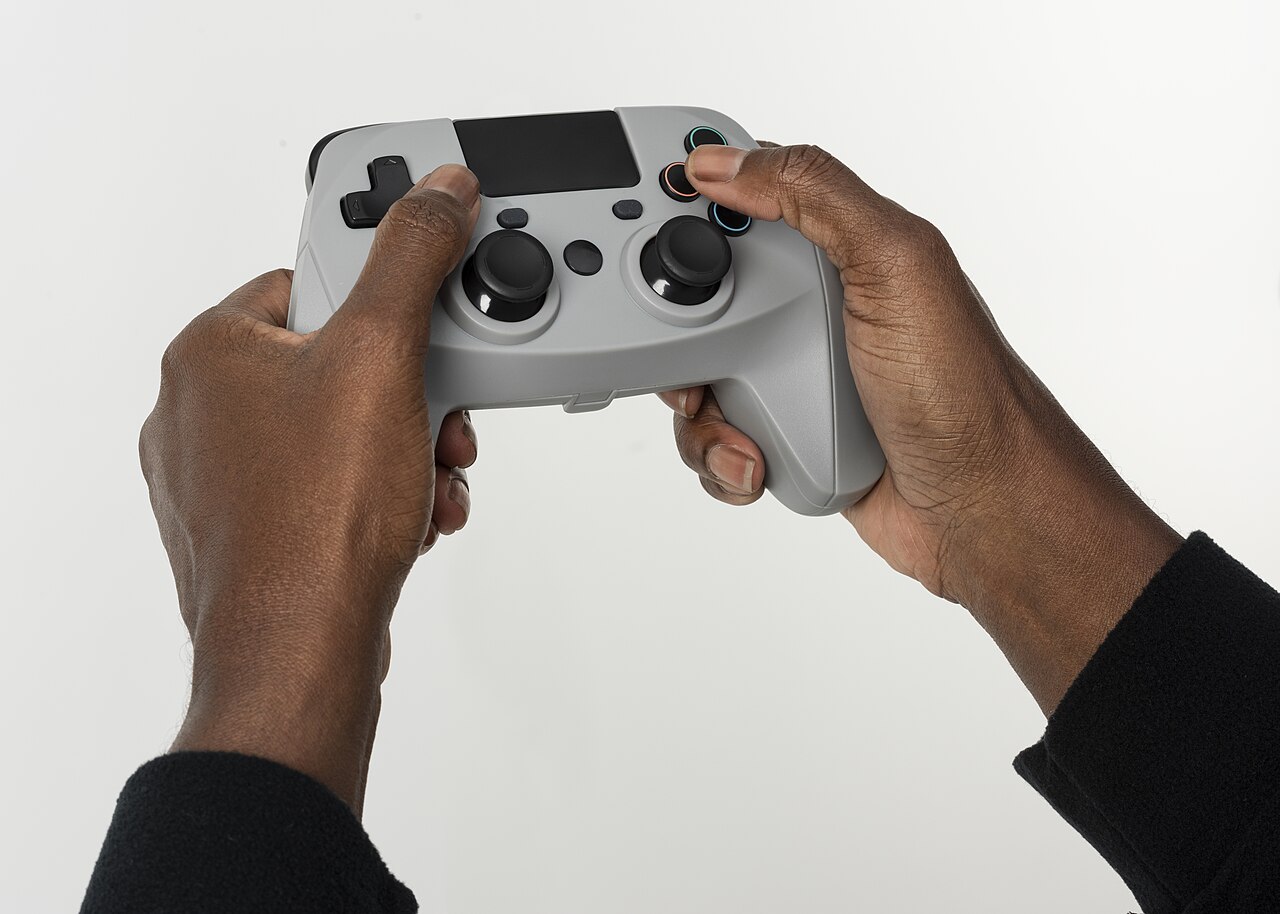
5. Quick-Reference FAQ
What is the closest game to Geometry Dash? The one-touch precision titles share the core loop most directly, while the dash-and-flip games add mechanics for players who want more controls.
Are games like Geometry Dash in the browser? Yes, many of the best rhythm platformers run directly in the browser with no download, and the community-level titles offer endless content.
Is Geometry Dash harder than its alternatives? The difficulty depends on the title and level; the official Geometry Dash levels are moderate, while its community levels reach extremes that few alternatives match.
How do I get better at rhythm platformers? Master each level in segments, trust the music cues, log the section that ends each run, and practice at the edge of your current ability.
Why do I keep dying at the same spot? You are starving that section of practice; isolate it, drill it until it is automatic, and the full level will fall into place.
Master the original first with the Geometry Dash beginner tips guide and the Geometry Dash practice mode walkthrough, then explore the hardest Geometry Dash levels breakdown for your next challenge.